We inspect the location
The glazier checks the opening, dimensions, use and risk of human impact.
 Call
Call
Glass in doors, bathrooms, low windows and busy areas has a greater chance of being hit. If it breaks the wrong way, large sharp pieces can put people nearby at risk.
Jim's Glass can inspect the opening and recommend safety glass for its location, size and use. The correct choice depends on the application and the glazing requirements that apply to that site.
For damaged panes, see our glass replacement service. If the opening is unsafe or leaving the property exposed, use emergency glass replacement.
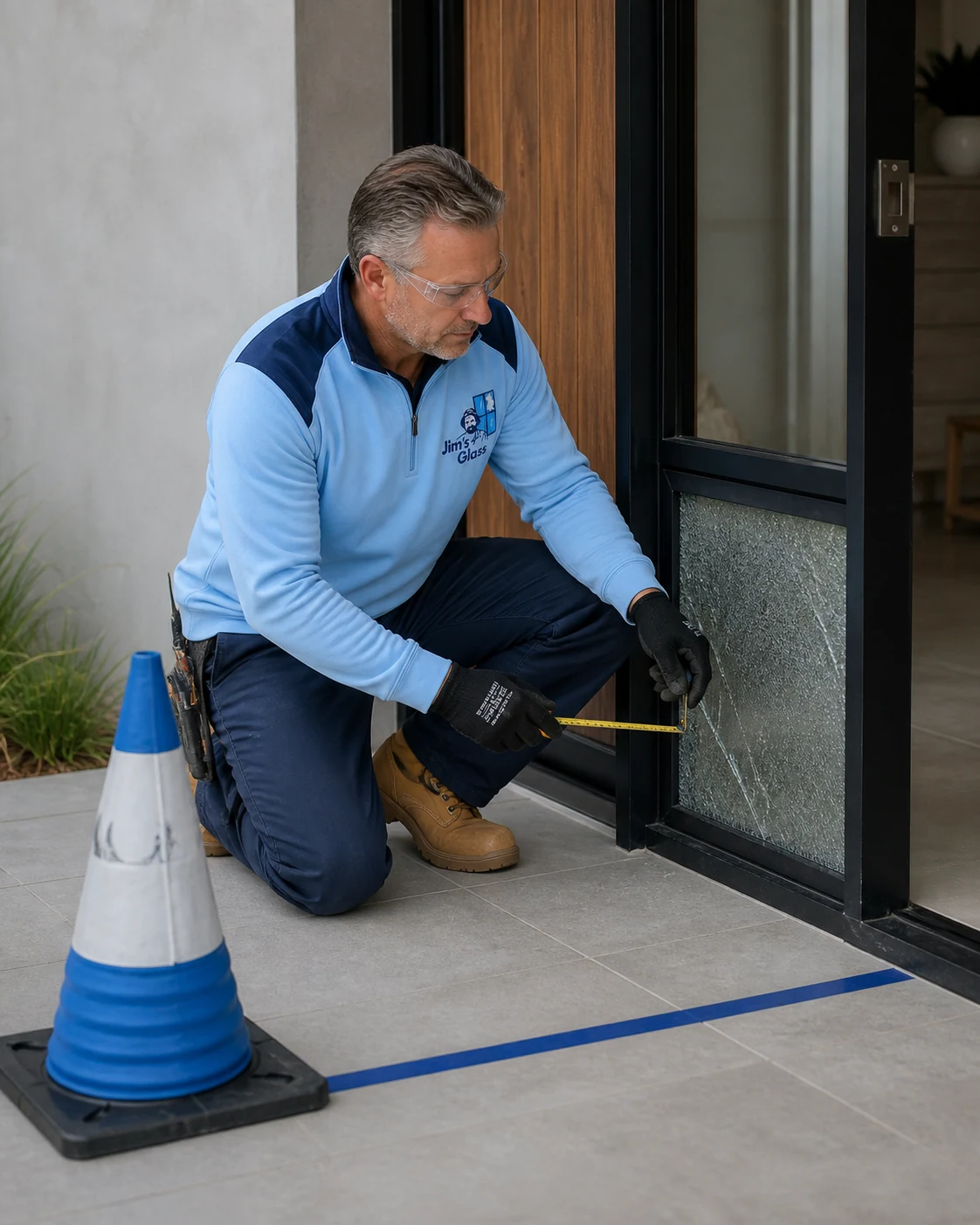
Local Jim's Glass glaziers can assess safety-glass needs across Australia. The required glass depends on the opening, dimensions, building use and applicable requirements, and specialist systems may vary by location.
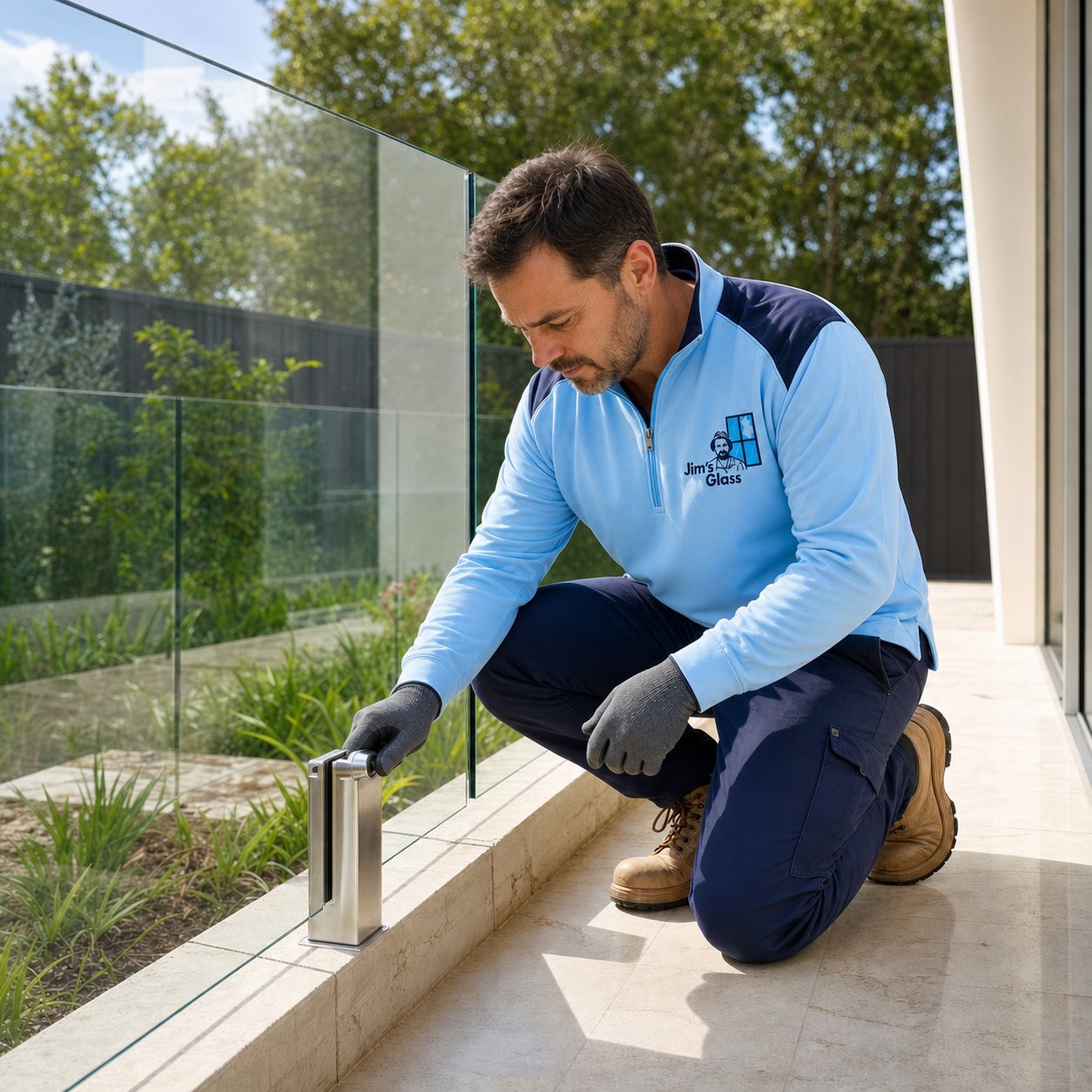
The glazier checks the opening, dimensions, use and risk of human impact.
We explain whether toughened, laminated or another system suits the application.
The required processing is completed before the panel is installed in the opening.
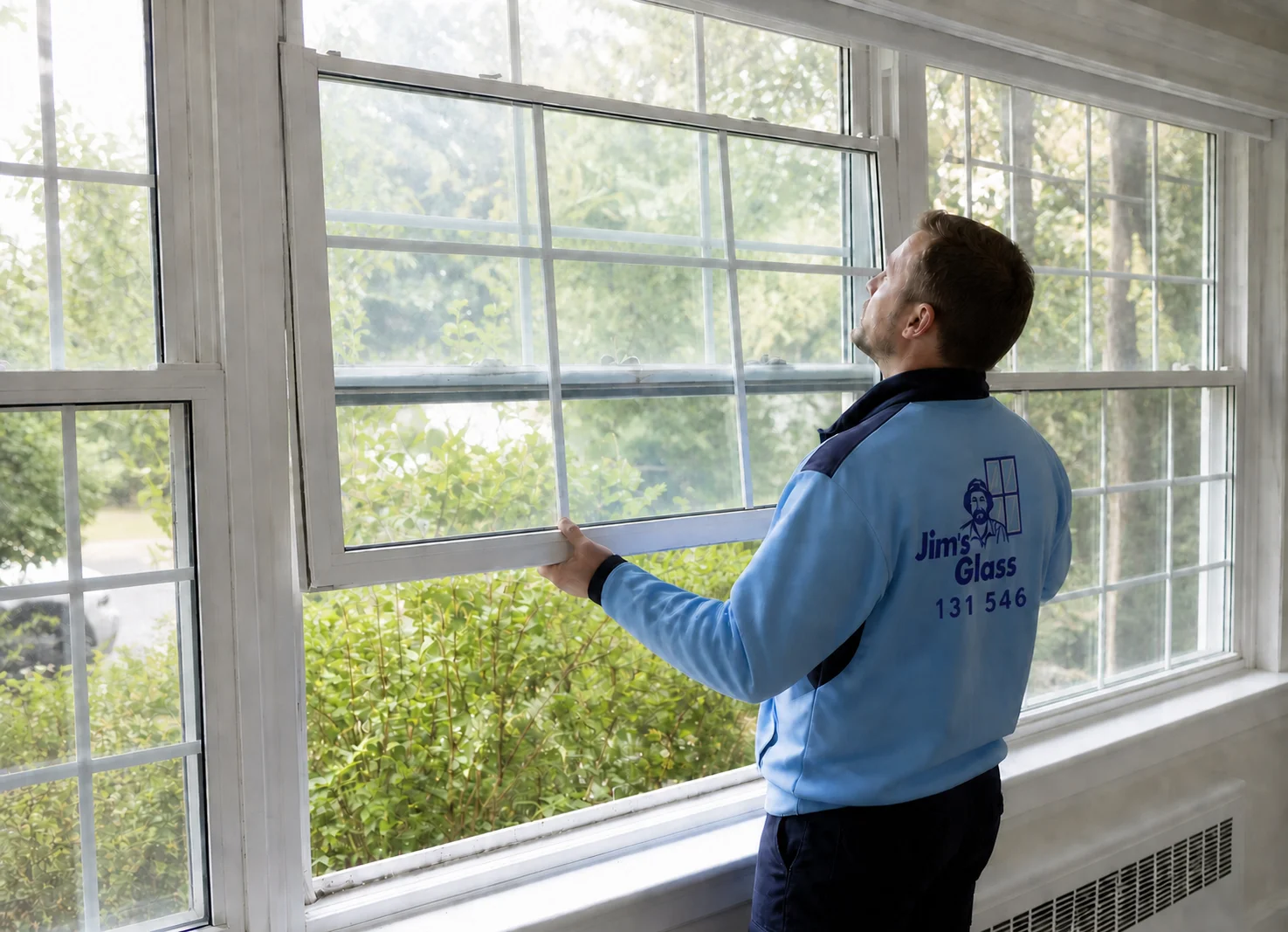
Why Jim's Glass?
Customers say it best
A glass dog door was installed neatly, and the dog started using it straight away.
 HAPPY D.5-star customer review summary
A quote arrived the same day, the work was completed the next, and no glass or mess was left behind.
 E Bee5-star customer review summary
Two windows were replaced on time, with a smooth process and a result she described as perfect.
 Meagan A.5-star customer review summary
After weeks of waiting elsewhere, Jim’s Glass completed the job within days and kept the process efficient.
 Uma P.5-star customer review summary
An emergency replacement was handled within 24 hours, with clear updates before the glazier arrived.
 Tracey Scott5-star customer review summary
The glass was measured, cut and fitted in under 15 minutes, with friendly, efficient service.
 Mike5-star customer review summary
Two panes in French doors were replaced quickly at a very reasonable price.
 Caroline b5-star customer review summary
A cracked bay window was replaced professionally, on time and for the quoted price.
 Gaye5-star customer review summary
Her new shower screen was installed quickly and professionally, and she loved the finished result.
 Andrea T.5-star customer review summary
Shower glass was replaced quickly, the broken glass was removed and the room was left spotless.
 Julie Omand5-star customer review summary
Safety glass is made or constructed to reduce the risk of serious injury when it breaks. Toughened and laminated glass are two common types.
Toughened glass is heat-treated for strength and breaks into smaller pieces. Laminated glass has an interlayer that helps hold fragments in place after breakage.
Requirements depend on the location, pane size, height, building use and risk of human impact. Doors, bathrooms and low-level glazing commonly need careful assessment.
No. Cutting, drilling and edge work must be completed before the glass is toughened, so accurate measurements are required before manufacture.
No. It is designed to behave more safely and may offer greater strength or fragment retention, depending on the type. It can still break under sufficient impact or edge damage.
An insurer may set claim conditions, while glazing and building requirements determine what is suitable for the opening. Cover and approval depend on the policy and application.
Ready when you are
Ask Jim's Glass to inspect the opening and explain which safety-glass option suits the location and use.